
TriVista – High-Resolution Triple Spectrometers
TriVista spectrometers are 2-stage or 3-stage spectrographs designed for demanding spectroscopy applications in material science, chemistry and life science. It is the most versatile and customizable spectroscopy platform for Raman, photoluminescence, resonance Raman and fluorescence.
Description
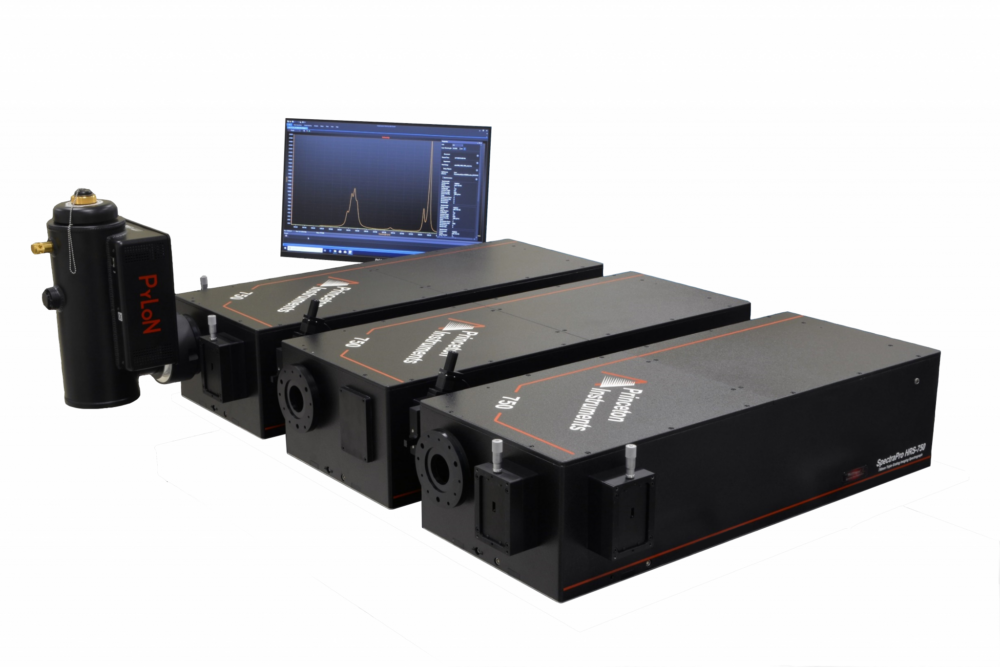
The TriVista is a high‑performance multi‑stage spectrometer designed for demanding spectroscopy applications requiring exceptional spectral resolution and stray‑light rejection. Based on a configurable double or triple spectrograph architecture, the TriVista provides unmatched flexibility for advanced Raman, photoluminescence, resonance Raman, and fluorescence spectroscopy across the UV, VIS, and NIR‑SWIR spectral ranges.
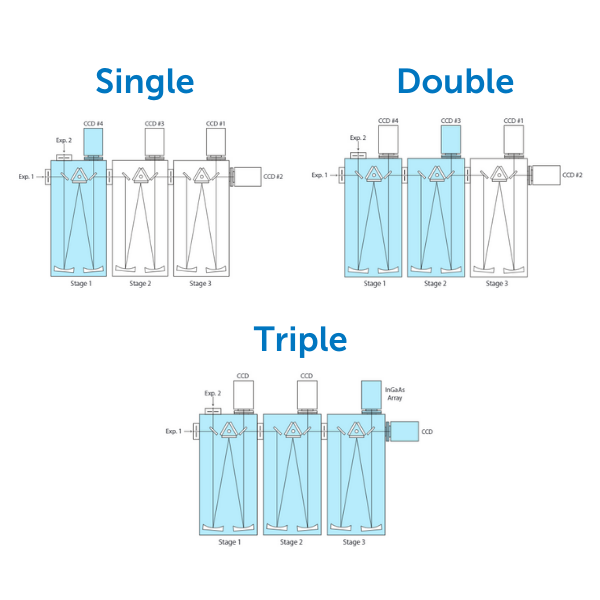
By operating in additive or subtractive modes, the TriVista can be optimized either for ultra‑high spectral resolution or for extreme stray‑light suppression, enabling measurements very close to the excitation laser line without the need for edge or notch filters. Each spectrometer stage can be controlled independently, allowing the system to function as a single, double, or triple spectrometer depending on experimental requirements.
With its modular design, wide wavelength coverage, and compatibility with a broad range of detectors and light sources, the TriVista is ideally suited for material science, semiconductor research, quantum materials, chemistry, and life‑science spectroscopy, where both performance and experimental flexibility are critical.
Explore the Applications and How TriVista’s Features can Benefit Your Spectroscopy Experiments:
- 200 – 2200 mm operation
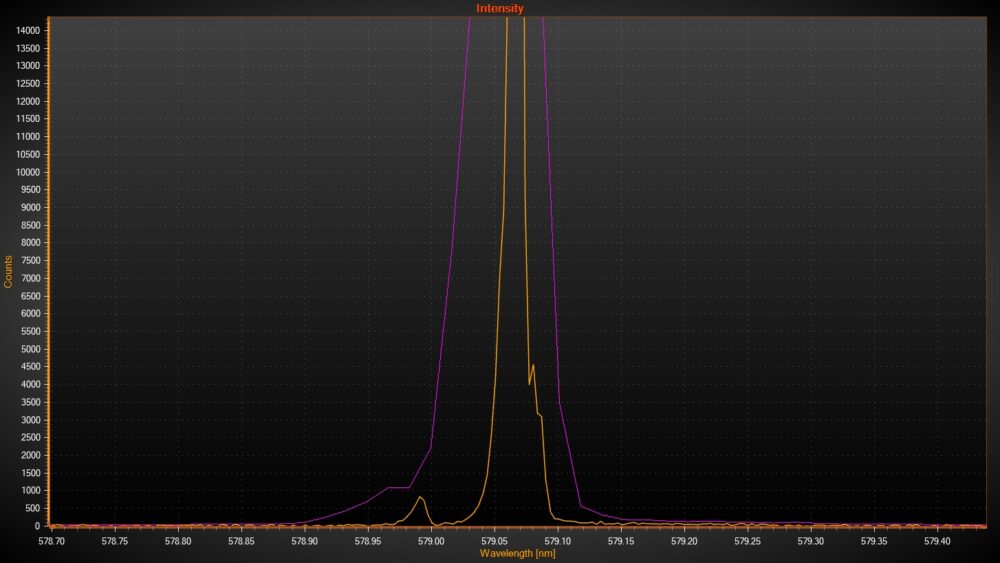
- >3 picometers spectral resolution
- Extreme stray light rejection
- Multiple entrance and exit slits
- Flexible for use in single, double and triple stage operation
Application Areas
The TriVista spectrometer is designed for advanced spectroscopy applications that demand high spectral resolution, exceptional stray‑light rejection, and maximum experimental flexibility. Typical application areas include:
Spectroscopy Techniques
- Raman spectroscopy, including low‑frequency (THz) Raman
- Resonance Raman spectroscopy
- Photoluminescence and fluorescence
- Time‑resolved spectroscopy
- UV, VIS, and NIR Raman spectroscopy
- Spin‑flip and magnetic Raman spectroscopy
Materials & Research Fields
- Quantum and low‑dimensional materials
- Two‑dimensional (2D) materials
- Nanotubes, nanostructures, and nanowires
- Semiconductor materials such as GaAs, InAs(Sb), GaN, SiC, and SiGe
- Pharmaceuticals and molecular compounds
- Supermolecules, biomolecules, and amino acids
- Magnetic and electronic properties of materials
Key Features
Key Features
Broad Wavelength Operation
TriVista is designed to operate efficiently across a wide spectral range, from the ultraviolet (UV) through the infrared (IR). It supports multiple excitation wavelengths and tunable laser sources without requiring edge or notch filters. By eliminating filter‑based limitations, TriVista enables observation of spectral features much closer to the instrumental cut‑off wavelength, with sharper and more accurate transmission characteristics than conventional filter solutions.
By combining the dispersion of multiple spectrograph stages, TriVista can resolve spectral features that are extremely close in wavelength, delivering superior separation and clarity.
 High Spectral Resolution
TriVista achieves exceptional spectral resolution by combining the diffractive power of two or all three spectrograph stages. This multi‑stage approach provides up to three times higher resolution than a traditional single‑stage spectrometer. Higher resolution not only reveals fine spectral details, but also enables precise tracking of small energy shifts and subtle spectral changes.
 Measurements Close to the Laser Line
Exceptional stray‑light rejection allows TriVista to measure spectral features very close to the excitation laser energy. This capability supports low‑frequency Raman measurements as close as a few wavenumbers from the laser line, enabling accurate detection of small energy shifts that are inaccessible with standard filtered systems.
 Versatile System Configuration
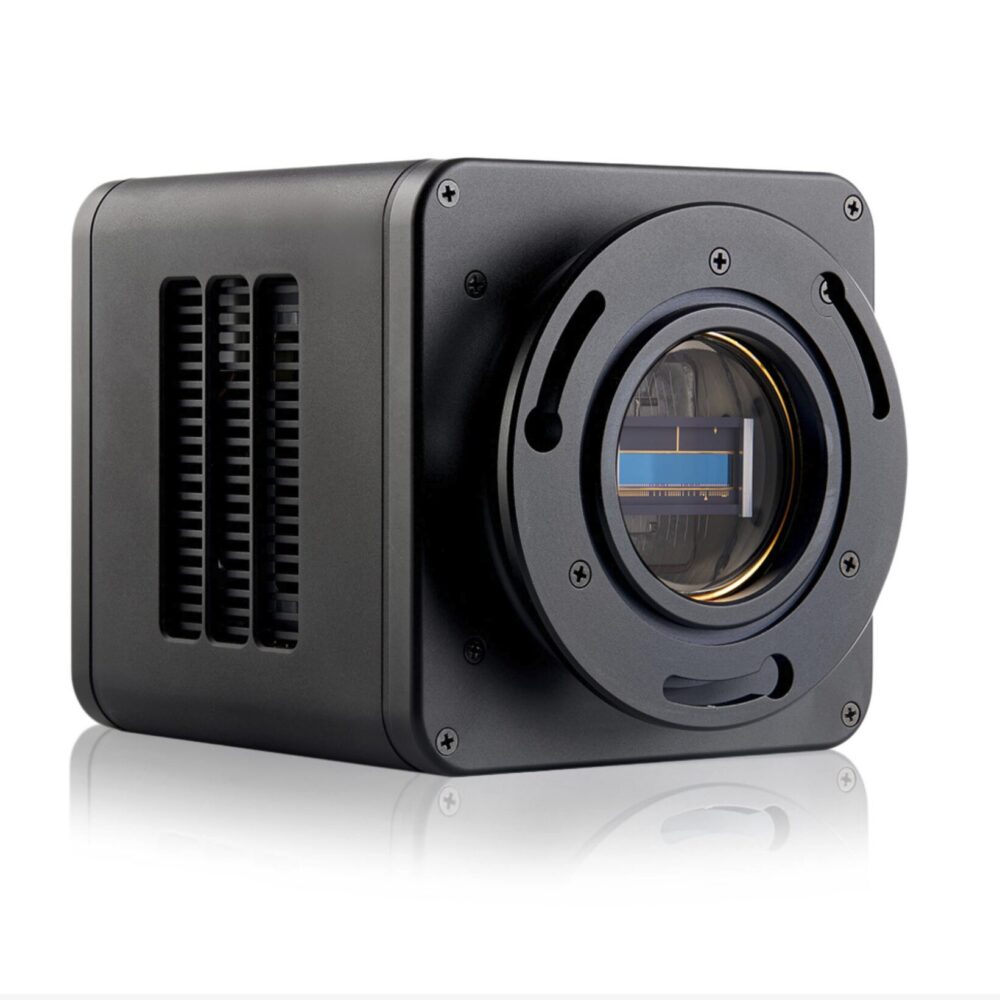
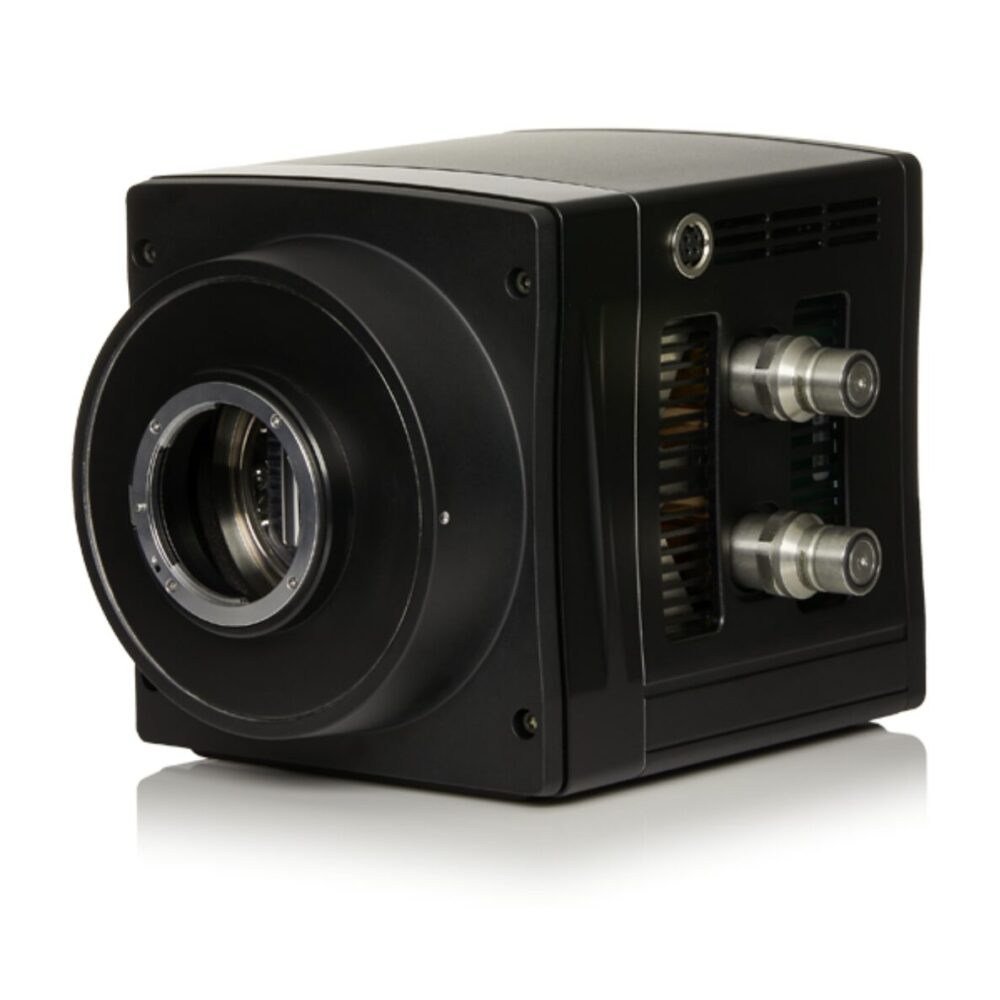
TriVista offers maximum flexibility in system configuration to match a wide range of experimental requirements. It can be operated as a single, double, or triple spectrometer, with each stage capable of independent operation for simultaneous measurements. Multiple input and output ports support integration with a broad selection of detectors, including CCDs, ICCDs, InGaAs cameras, PMTs, and other specialized detector technologies.
 Precision and Stability
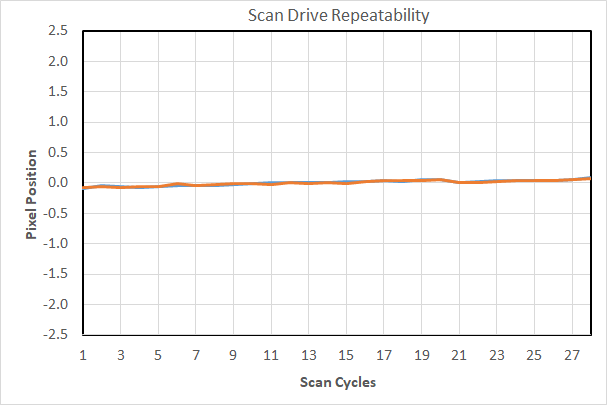
TriVista employs precision grating drive technology that enables highly accurate wavelength positioning with excellent repeatability. Its rigid mechanical construction ensures long‑term stability, allowing users to switch between wavelengths and operating modes with confidence while maintaining measurement accuracy.
 VistaControl Software
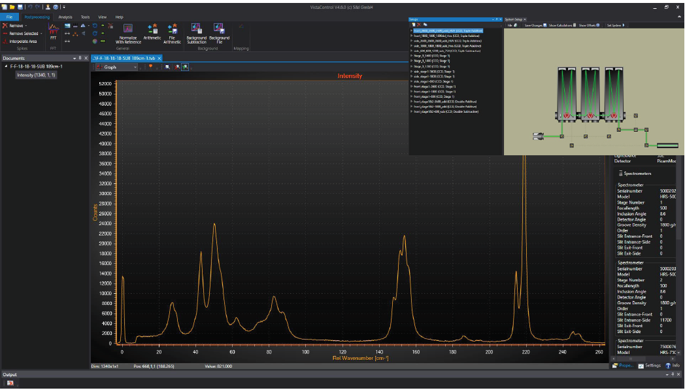
VistaControl software provides an intuitive graphical interface for rapid experiment setup and control. It supports full scan control, data acquisition, storage of multiple configurations, and fast switching between operating modes. The software integrates seamlessly with Teledyne Princeton Instruments cameras and data acquisition systems, and offers optional support for stage control and hyperspectral sample mapping.
Video
Specifications
TriVista Model Comparison
| Model | Optical Configuration | Focal Length per Stage | Stages | Wavelength Range | Operating Modes | Key Performance Focus | Typical Detectors | Typical Applications |
|---|---|---|---|---|---|---|---|---|
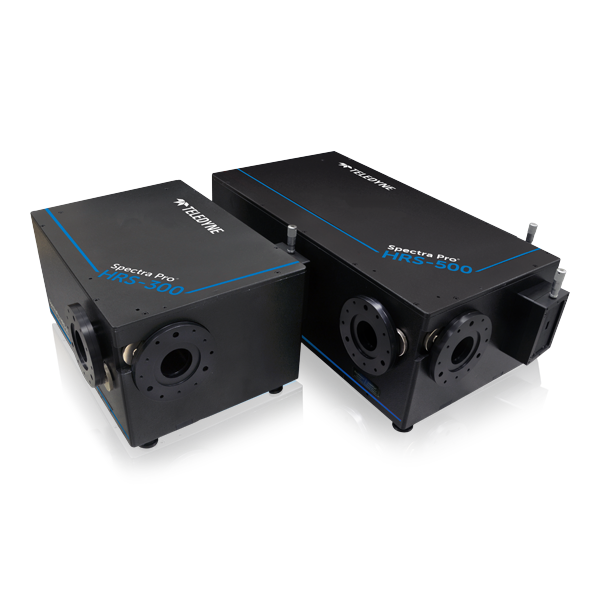
| TriVista 333 | Modular double or triple spectrometer | 3 × 300 mm | Up to 3 | UV – NIR / SWIR (system‑dependent) | Single, double, triple stage Additive or subtractive |
Compact size, high flexibility, excellent stray‑light suppression |
CCD, ICCD, InGaAs, PMT | Raman spectroscopy, photoluminescence, fluorescence, general research spectroscopy |
| TriVista 555 | Triple spectrometer | 3 × 500 mm | 3 | UV – NIR / SWIR | Additive and subtractive modes | High spectral resolution and strong stray‑light rejection |
CCD, ICCD, InGaAs, PMT, APD | High‑resolution Raman, low‑frequency Raman, resonance Raman |
| TriVista 557 | Hybrid triple spectrometer | 2 × 500 mm + 1 × 750 mm | 3 | UV – NIR / SWIR | Additive and subtractive modes | Enhanced resolution with improved stray‑light suppression |
CCD, ICCD, InGaAs, PMT, APD | Ultra‑low frequency Raman, quantum materials, 2D materials |
| TriVista 777 | Full triple spectrometer | 3 × 750 mm | 3 | UV – NIR / SWIR | Additive and subtractive modes | Maximum spectral resolution and ultimate stray‑light rejection |
CCD, ICCD, InGaAs, PMT, APD | Reference spectroscopy, ultra‑low frequency Raman, fundamental and quantum research |
Documentation
Download / View Documentation
 Loading...

 Reload document
  Open in new tab