Scientific Cameras
Scientific cameras play a central role in today’s advanced imaging and measurement systems. Whether capturing extremely low-light phenomena, recording high-speed events, observing processes in the UV, visible, or infrared spectrum, or enabling precise quantitative measurements, these cameras are essential tools across research, industrial development, life sciences, materials science, and high-tech manufacturing.
At Te Lintelo Systems, we offer a comprehensive portfolio of scientific-grade imaging solutions ranging from deep-cooled CCD and sCMOS cameras to advanced SWIR/InGaAs detectors and ultra-fast high-speed cameras. Our offering spans UV to infrared and supports both laboratory and OEM integration needs.
For high-sensitivity imaging and spectroscopy applications, we supply advanced camera platforms from
Teledyne Princeton Instruments,
including scientific CCD and sCMOS solutions as well as infrared InGaAs camera technology for NIR/SWIR imaging and spectroscopy
(for example the NIRvana family).
For infrared imaging and analysis, we also provide SWIR and InGaAs camera solutions from
Photon etc.,
offering high-performance instruments used in scientific and industrial environments where sensitivity, stability, and spectral coverage are critical.
For microscopy, education, and life-science imaging workflows, TLS supplies
JenOptik
microscope cameras, including the GRYPHAX series designed for reliable digital microscopy with user-friendly software and broad compatibility.
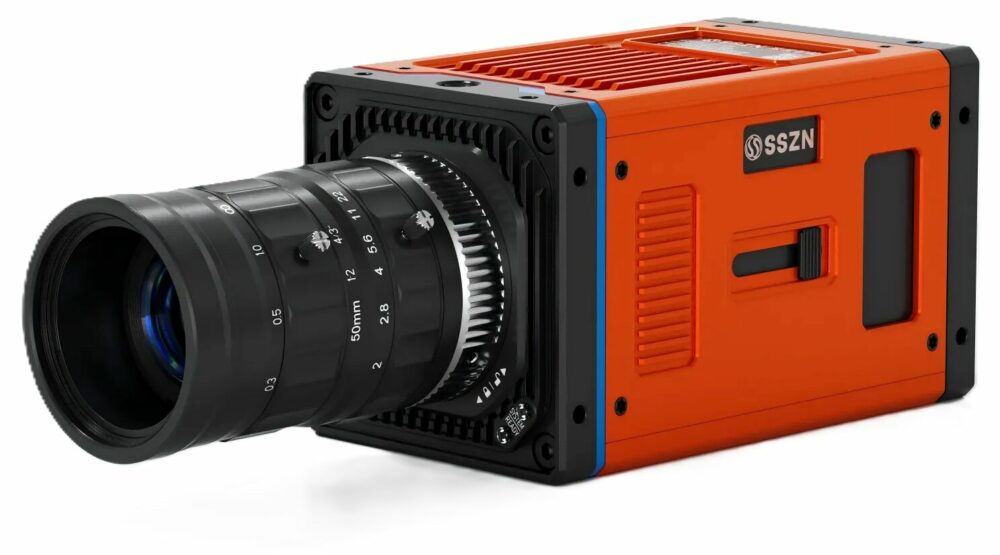
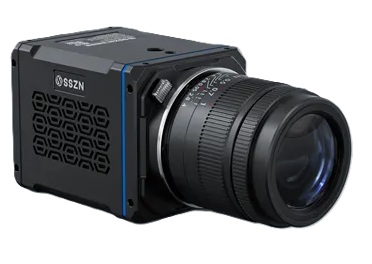
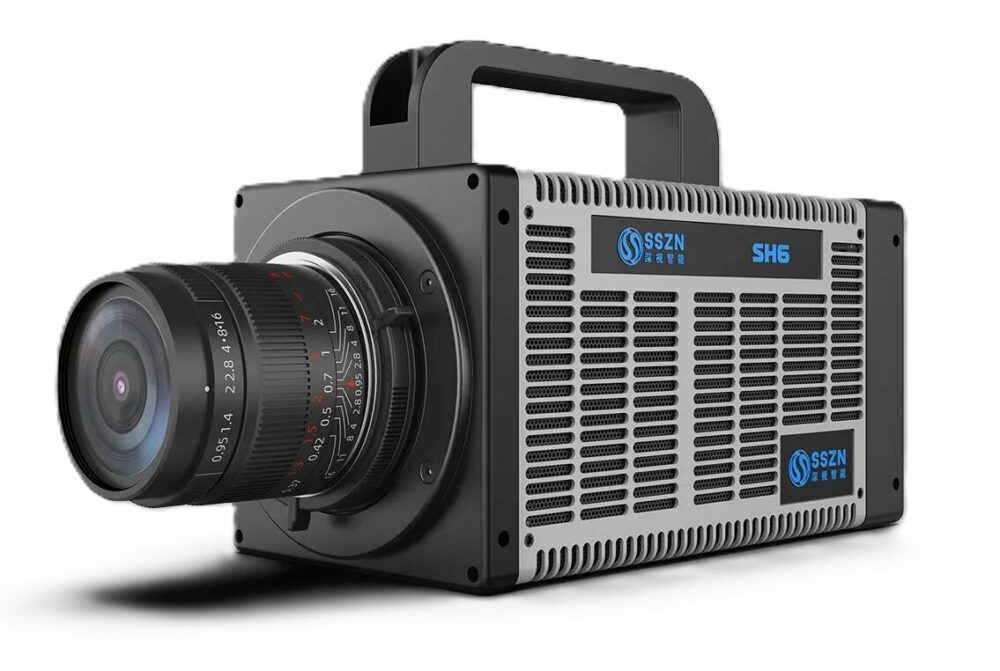
For capturing fast transient events and high-speed motion, TLS offers high-speed camera solutions from
SinceVision,
enabling high frame rate imaging for applications such as process analysis, ballistic testing, combustion, and other time-critical measurements.
Whether you are building a new imaging setup, upgrading an existing system, or integrating a camera into an OEM instrument, our team is ready to help you select the optimal camera technology and configuration for your application.
-
Sale
Kuro sCMOS Camera
Original price was: €999.999,00.€99.999,00Current price is: €99.999,00.